

How property co-development works, stage by stage
No pitch and no black box. Here is exactly how a boutique residential development comes together with FracHaus, from the first data pull to the day the homes sell, laid out stage by stage so you can judge the whole process before you ever speak to us.
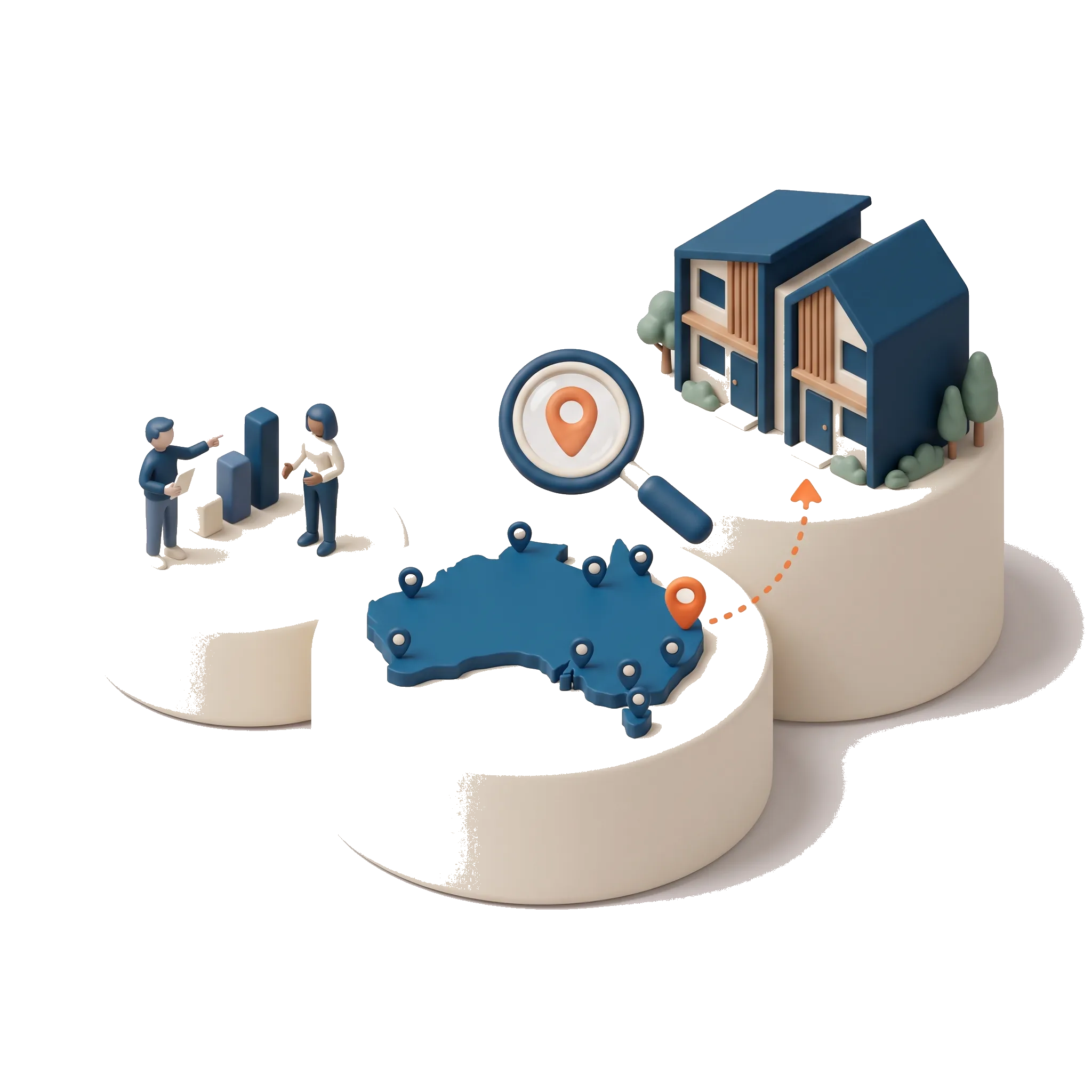
A FracHaus co-development runs in five stages, and it starts with research, not a block of land. We select the market using demand and supply data, secure a site that passes a conservative feasibility study, open the full numbers to members, then manage the build through to sale. Co-owners hold a recorded share of that one project, so any profit is split in line with what each person put in. Nothing is pooled, and no offer is made until we have spoken.
Five stages, and it starts with the research.
We research the market first
Before anyone mentions a block of land, we score markets across Australia. Demand and supply signals, Boomscore ratings, days on market, vacancy rates, stock on market and yield trends, tell us where buyers are pulling ahead of builders. It is the same research discipline our team is known for, and it decides where we develop, not the other way around.
 2
2 We find land that clears the bar
With the market picked, we go site hunting. Every candidate gets a conservative feasibility study built on real quotes and real comparable sales. Most do not make it. The ones that do are the ones worth your attention.
 3
3 Members get first look
Qualifying projects are released to the community with the feasibility laid out in full: where each number comes from, the capital required, and a live Q&A with the team. Members who want in contribute funds, and their share of the project matches their contribution. Where we can, we invest alongside you.
 4
4 We manage the development end to end
Each project runs in its own dedicated structure, with every co-owner’s interest recorded from the start. Our team manages design, approvals, builders, finance and the thousand small decisions in between, through to completion. You get the updates without the site visits.
 5
5 The homes sell, and the profit is shared
On completion and sale, proceeds are distributed in line with each co-owner’s share, and the project structure is wound up. By then, the research for the next one is usually already running.
Most deals never reach members.
We look at far more projects than we release. Every one goes through the same conservative feasibility process: costs overestimated, sales underestimated, forecasts built on firm quotes and agent evidence rather than optimism. A project only reaches the community when the margin clears our bar. If it does not, you never see it, and that is the point.
Every dollar is itemised, not buried.
The site
Secured and through due diligence before a project is released to members. Zoning, design direction and acquisition costs are locked in, not estimated.
The build
Experienced multi-dwelling builders on fixed-price contracts. Where plans are still maturing, pricing is benchmarked against live projects of the same type.
Everything else
Legals, finance, consultants, sales and tax, plus our development management fee, itemised in the feasibility rather than buried in it.
The sales forecast
Built from local agent consultation and comparable sales, then trimmed. We would rather model low and be pleasantly wrong.
The research does the heavy lifting.
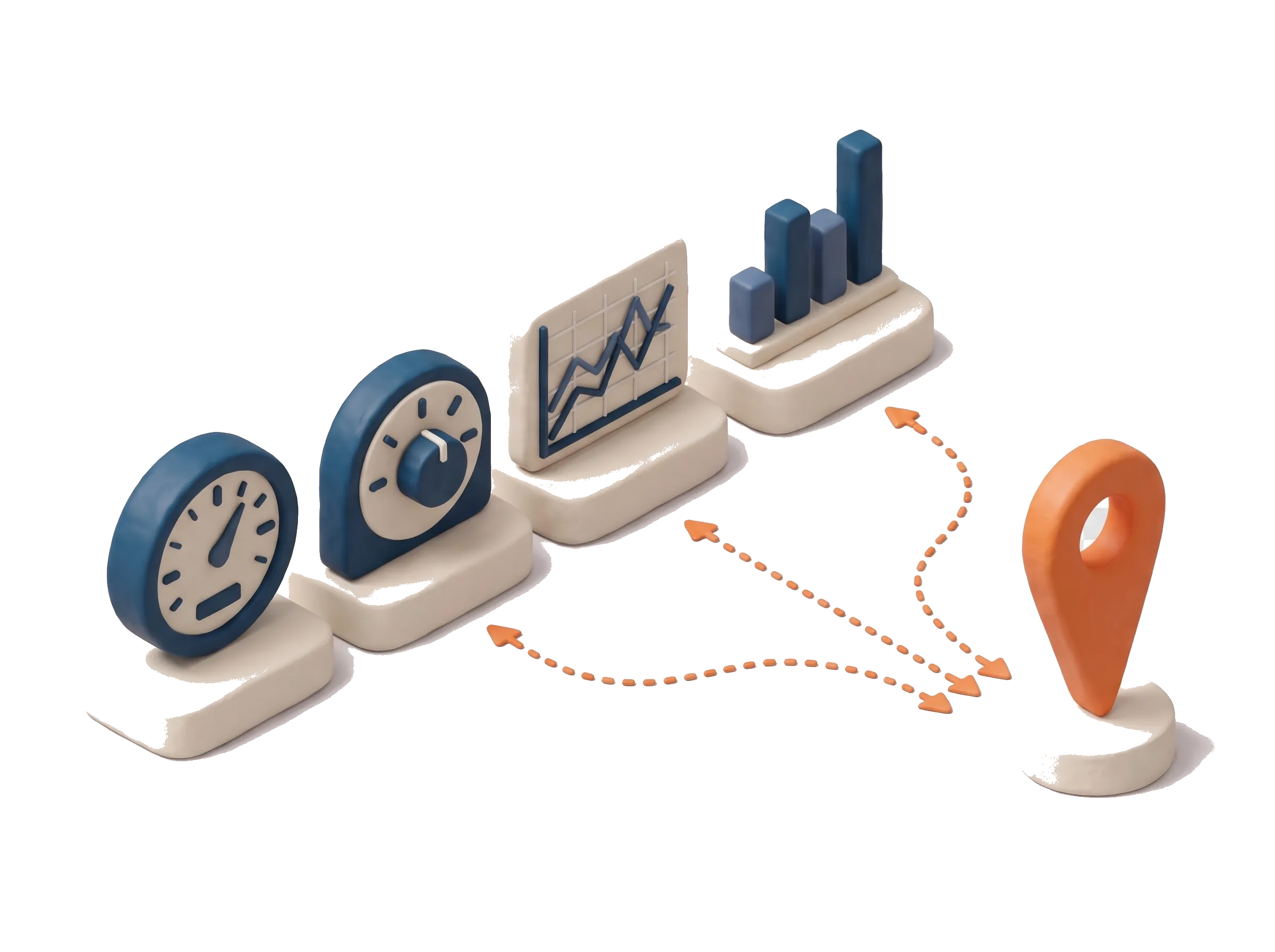
FracHaus grew out of years of market research, not the other way around. The stack behind Stage 1: demand-to-supply scoring through tools like Boomscore, days on market, vacancy, stock on market, yield and price momentum, cross-checked against the hotspot work our team publishes. You can try a slice of it yourself on our free tools, or read how we decide where and when to buy. We publish the method for a simple reason: you should not have to take our word for anything.
No catalogue of deals, by design.
FracHaus runs boutique projects one at a time, and a project only exists once it has cleared the research and feasibility stages above. That is why you will not find live deals or numbers advertised here: at any moment a project is either still being proven, or already being built. It is the process, not a shopfront.
No offer is made on this page.
Everything above is general information, so you can understand how co-development works before any conversation. We do not advertise specific projects or numbers here. If the process makes sense to you, join the community and we will make contact, get to know your goals, and only then, if it is a fit, walk you through a live project in person.
Frequently asked questions
How much do I need to invest in a property development with FracHaus?
Contributions are set project by project. The application asks what range you are comfortable exploring, so we only show you projects that fit, and we confirm the figures with you before anything is committed.
Do I actually own part of the development?
Yes. Your contribution buys a recorded interest in that specific project, in proportion to what you put in. We confirm the exact ownership structure with you in writing before you commit, so you know precisely what you hold.
Who runs the project day to day?
The FracHaus team manages the development from feasibility through to completion and sale: builders, consultants, approvals, finance and reporting. Co-owners receive regular updates and the full numbers, and are never expected to pick up tools or chase trades.
How are profits shared in a property development joint venture?
In a FracHaus project, sale proceeds first repay development finance and project costs, and what remains is distributed to co-owners in line with their share. The feasibility sets out the expected timeline from acquisition to distribution. No outcome is guaranteed, which is why the numbers are modelled conservatively before anyone contributes a dollar.
What are the risks of investing in property development?
The usual ones: construction costs, market movement while the project is underway, and timelines. Conservative modelling narrows those risks, it never removes them. Whether a project suits your circumstances is a question for you and your licensed adviser, and we are happy to hand over the numbers to help that conversation.
When do I find out about an actual investment?
Only after you join the community and we have spoken. We do not show specific projects or numbers on this website. Any opportunity is offered privately to a limited number of eligible investors.
Understand the process? Start the conversation.
Join the community and tell us which path fits. No specific project is shown, and no offer is made, until we have spoken personally.
Join the community