

Boost rental yield by acquiring property at developer cost price
New builds have a reputation for being overpriced, and at retail, it is deserved. You pay the developer's margin, the marketing and the agent, so the yield on what you paid is thin. Retain the same brand-new home at developer cost price instead and the maths flips: the same market rent on a much lower cost base, plus full new-build depreciation, turns a negatively geared liability into a real shot at positive cashflow from day one.
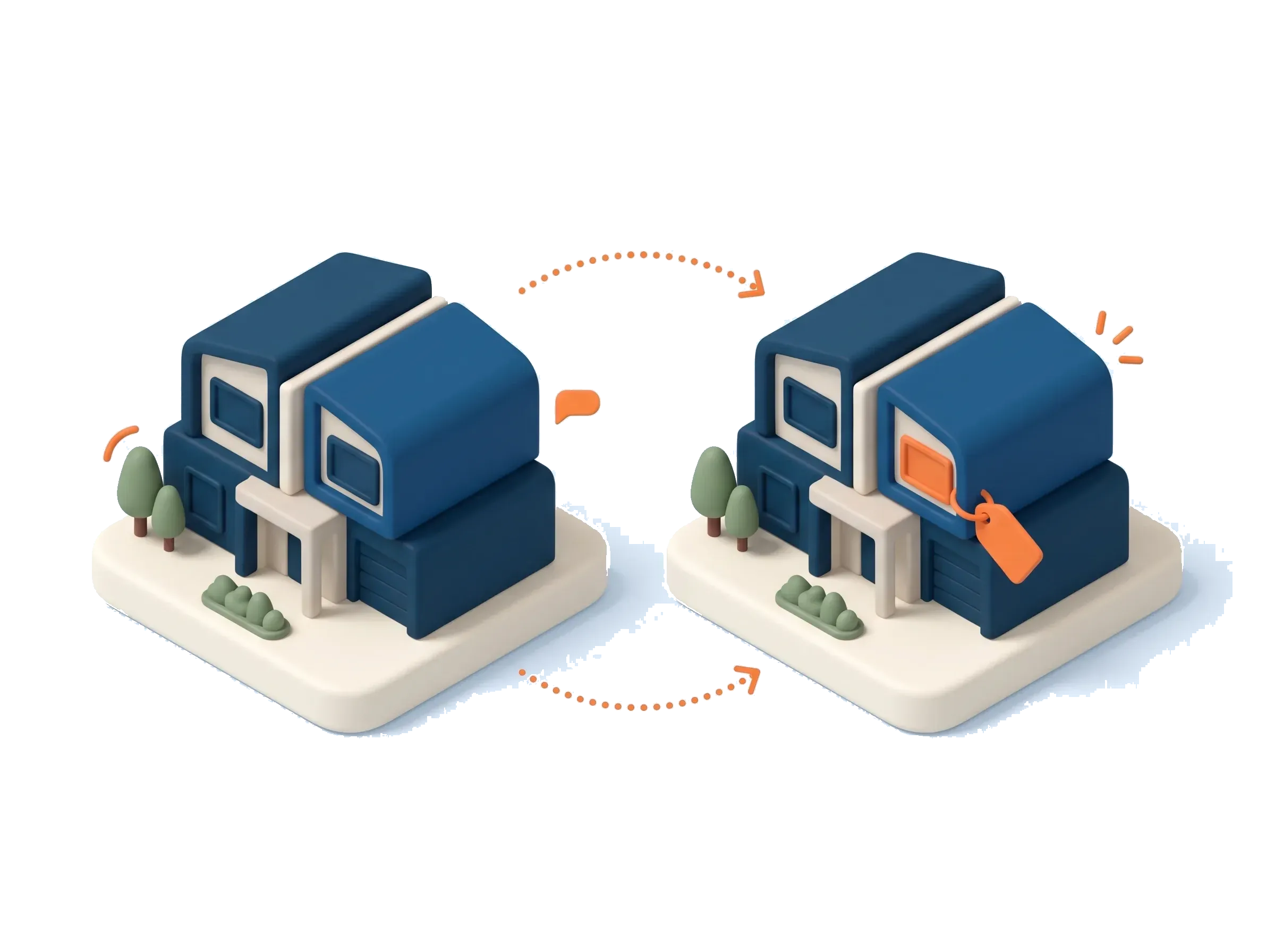
Two identical houses, and one bought at developer cost price.
Picture two brand-new homes, side by side, the same floor plan, the same street, the same market rent. One is bought the usual way, at retail, with the developer's margin baked into the price. The buyer negatively gears it, tops up the mortgage every month, and hopes the market eventually bails them out.
The other is retained at what it actually cost to create. Same rent, far lower cost base, and on a new build, years of depreciation on top. Its yield is measured against cost, not retail, so it is closer to paying its own way from the very first week, before the market does anything at all.
New builds are not overpriced. Retail is. Pay developer cost price and the same house that bled the retail buyer can start paying you.
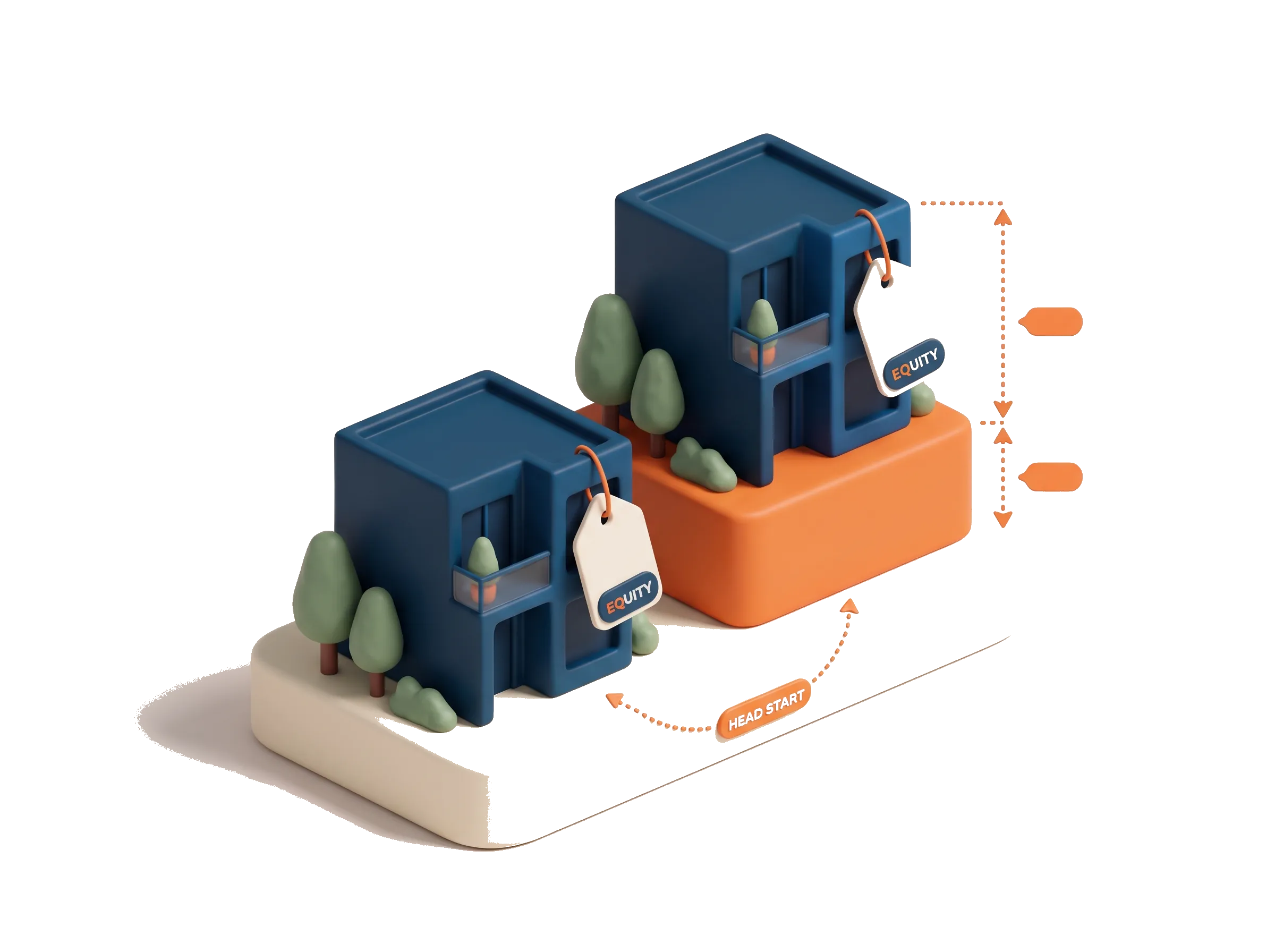
Same rent, lower cost base, higher rental yield.
Rental yield is simply annual rent divided by what you paid. A retail buyer measures their yield against the retail price. You measure yours against developer cost. Same rent, lower base, higher yield, and on a new build the depreciation can push the after-tax position into positive cashflow. The illustration shows the mechanism. Figures are for explanation only, not a forecast.
Pays $700,000
Earns $42,000 rent
≈ 6.0% gross yield
Retains at $600,000
Earns $42,000 rent
≈ 7.0% gross yield
On a brand-new build, that stronger yield sits on top of years of depreciation. For many investors that is the difference between topping up a negatively geared property every month and holding one that pays its own way. Illustrative only, and not tax advice. Actual figures depend on the project, the market rent and your circumstances.
Three positive-cashflow advantages, from day one.
Built-in equity
The gap between cost and retail value is equity you hold immediately, rather than margin paid to someone else.
Stronger yield, real cashflow
A lower cost base on the same market rent lifts the yield. Add new-build depreciation and the property is far more likely to pay its own way than lean on negative gearing.
Evidence-led location
Because we choose where to build on demand data, the home you retain is one the market actually wants to rent.
I achieved a 42% return on my $100,000 over 19 months. Have told my friends and family and will definitely invest with Michael again.
 Read the reviews
 Want to see a home at developer cost price?
We don't list specific homes or numbers on this website. Join the community, we'll get in touch, understand what you're after, and walk you through a real opportunity personally.
Frequently asked questions
Aren't new builds overpriced compared to established homes?
At retail, often yes. A new-build retail price includes the developer's margin, marketing and selling costs, which is why the yield on that price can look thin. Acquiring at developer cost price strips those out, so you are paying for the home, not the sales process. The same new build that looks overpriced at retail can be a strong yield at cost.
Can a property bought at cost price be positive cashflow?
It is far more likely than at retail. A lower cost base lifts the yield, and because these are brand-new homes, depreciation shelters income against tax. Whether any specific property is positive cashflow depends on the rent, the rates and your circumstances. That is general information only, not tax advice, so confirm the numbers with your accountant.
What is "developer cost price"?
It is what it costs to create the finished home, land plus build plus the costs of delivery, before the developer margin that a retail buyer normally pays on top. Acquiring at cost means that margin stays with you as equity.
How does buying at cost boost rental yield?
Yield is rent divided by what you paid. If the rent is the same but your purchase price is lower, the yield is higher. Buying at cost lowers the denominator, so the same market rent produces a stronger return.
Do I own the property outright?
This path is about acquiring and retaining a completed home at cost. The exact ownership structure is explained when we speak, because it depends on the project and your circumstances.
Is this an offer to invest?
No. This is general information only. Join the community and, if it fits, we extend a private offer to a limited number of eligible investors, after a conversation.
Ready when you are.
Join the community and we will be in touch with the next step. No offer is made until we speak with you personally.
Join the community